
Scaling IT and Enterprise Growth: A Conversation with Subir Sangal, CEO of Eagle Information Systems
Technology is changing faster than ever. AI, cloud computing, cybersecurity, automation, and digital transformation are creating new opportunities for businesses every day. But behind every successful technology company is a much bigger challenge: building a business that can adapt, earn customer trust, and continue growing in a constantly changing market. For technology entrepreneurs, having strong technical knowledge is only one part of the journey. The ability to understand customers, build the right team, make business decisions, and respond to changing market needs can be equally important. This is where the experience of leaders who have spent decades in the technology industry becomes particularly valuable. In a recent interview with Sugermint, Subir Sangal, CEO of Eagle Information Systems, shares his perspective on technology, entrepreneurship, cybersecurity, and the changing business landscape. His journey offers practical insights into what it takes to build and sustain a technology business in India. From Technology Expertise to Business Leadership Many technology founders begin their journey with a strong technical background. They know how to build products, solve complex problems, and understand technology at a deeper level. However, turning that technical expertise into a successful business requires a different set of skills, including sales, marketing, leadership, hiring, and understanding customer expectations. Subir Sangal’s entrepreneurial journey provides an interesting perspective on this transition. Over the years, he has witnessed significant changes in the technology industry and the way businesses use technology to solve real-world problems. His experience highlights why successful technology leadership is not just about keeping up with new technologies but also about understanding how those technologies create business value. His interview also gives readers an opportunity to look beyond the usual startup success stories. It explores the lessons, challenges, and decisions that shape a technology entrepreneur’s journey. For anyone interested in entrepreneurship or the Indian technology sector, these insights offer plenty to think about. Why Technical Founders Need More Than Technical Skills A great product does not automatically become a successful business. A founder may build an excellent technology solution, but if they cannot communicate its value, reach the right customers, or create a strong team around it, growth can become difficult. This gap between technical capability and business capability is one of the challenges many technology entrepreneurs face. The technology industry has seen several examples where strong technical ideas struggled because the business side was not given equal attention. Understanding pricing, sales, marketing, hiring, and leadership can make a significant difference in turning an idea into a sustainable company. In his conversation with Sugermint, Subir Sangal discusses this broader side of entrepreneurship through examples and experiences from the technology world. His observations make the interview particularly relevant for founders who are trying to move from being technology experts to becoming well-rounded business leaders. Cybersecurity Is No Longer Just an IT Concern As businesses become increasingly dependent on digital systems, cybersecurity has moved from being a technical issue to a business priority. A cyberattack can affect operations, customer trust, financial performance, and even a company’s reputation. This makes cybersecurity an important consideration for businesses of every size. For small and medium-sized businesses in particular, the assumption that cybercriminals only target large organizations can be dangerous. Automated attacks and constantly evolving threats mean that businesses need to think about security proactively rather than waiting for an incident to happen. The interview provides an opportunity to understand how an experienced technology leader views this changing cybersecurity environment. It also highlights the importance of building awareness and taking security seriously as businesses continue to adopt new technologies and digital platforms. What Can Entrepreneurs Learn From Subir Sangal’s Journey? One of the most interesting aspects of an entrepreneurial journey is that it is rarely a straight line. Businesses evolve, markets change and leaders are constantly required to make decisions with incomplete information. The ability to learn from these experiences often becomes as important as the original business idea. Subir Sangal’s experience in the technology industry offers valuable lessons for both established businesses and aspiring entrepreneurs. His perspective brings together technology, business strategy, and leadership, making the conversation relevant beyond just the IT industry. For young founders, business leaders, and technology professionals, his story can serve as a reminder that building a company is about much more than developing technology. It is about understanding people, solving meaningful problems, building trust and continuously adapting to change. Read the Full Interview With Subir Sangal The Sugermint interview goes deeper into Subir Sangal’s entrepreneurial journey, his views on the technology industry and the challenges businesses face in an increasingly digital world. Rather than focusing only on achievements, the conversation explores the thinking and experiences behind his approach to technology and business. If you are an entrepreneur, technology professional, business leader, or someone interested in India’s evolving technology ecosystem, the interview offers an engaging look at the lessons that come from years of experience. It is especially relevant for those trying to understand how technology businesses can remain competitive while navigating constant change. Frequently Asked Questions Why is cybersecurity important for businesses? + Cybersecurity helps businesses protect sensitive data, prevent cyberattacks, reduce financial losses, and maintain customer trust. It is essential for ensuring business continuity in an increasingly digital environment. What are the most common cybersecurity threats businesses face? + Common cybersecurity threats include phishing, ransomware, malware, data breaches, password attacks, and social engineering. These threats can disrupt operations, compromise sensitive information, and cause financial damage. How can small and medium-sized businesses improve their cybersecurity? + Small and medium-sized businesses can strengthen cybersecurity by implementing multi-factor authentication, regularly updating software, conducting employee awareness training, maintaining data backups, and using endpoint protection and network monitoring solutions. What is AI-driven 24×7 SOC monitoring, and how does it help businesses? + AI-driven 24×7 Security Operations Center (SOC) monitoring uses artificial intelligence to analyze security alerts, identify suspicious activities, and detect potential threats around the clock. It helps security teams prioritize risks, investigate incidents faster, and respond more effectively to cyber threats. How can businesses protect themselves from
What Is the DPDP Act?
India’s Digital Personal Data Protection Act (DPDP Act) changes how businesses handle customer data. Learn key rights, operational responsibilities, upcoming 2026/2027 deadlines, maximum penalties, and how to build a compliance roadmap.
Automotive Cybersecurity: Securing the Software-Defined Vehicle

Modern vehicles are rapidly transforming into software-defined machines driven by advanced connectivity and electronic control units. In this expert breakdown, Subir Sangal, CEO of Eagle, examines the critical security challenges facing the automotive industry—from expanding attack surfaces and third-party supply chain risks to over-the-air (OTA) update vulnerabilities and connected data protection. Learn why cybersecurity must evolve as an ongoing lifecycle commitment rather than a one-time factory test.
Cybersecurity in Manufacturing
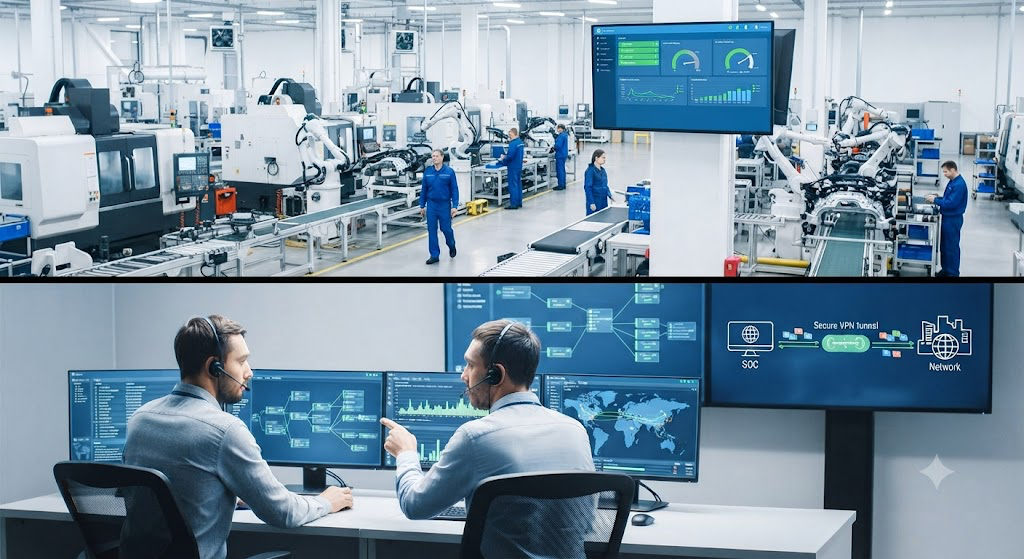
Manufacturing is becoming smarter and more connected—but that connectivity is changing the cyber threat landscape. Discover how AI, Operation Technology security and AI-driven SOCs can help manufacturers protect production, data and business continuity.
Cybersecurity in the Automotive Industry
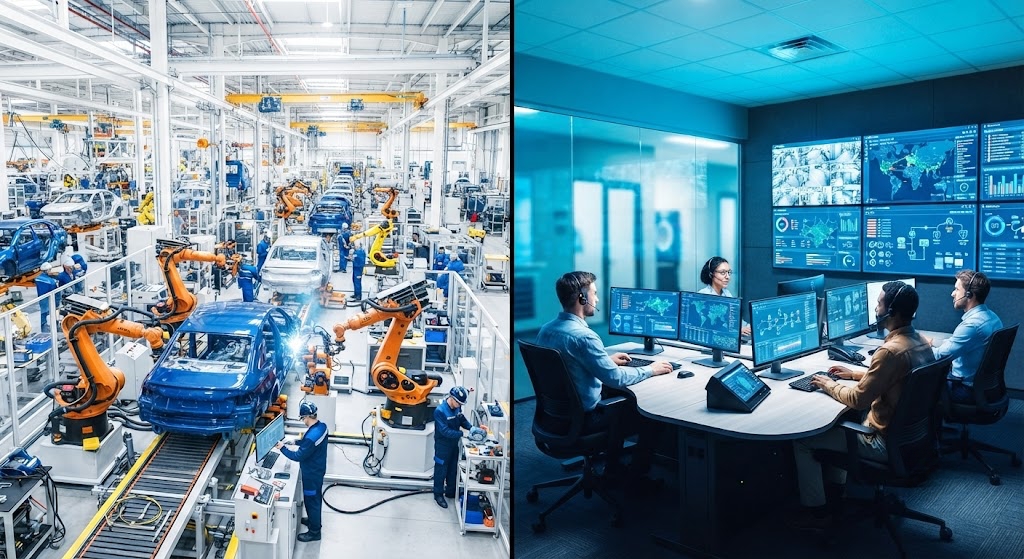
Connected vehicles are transforming the automotive industry—but greater connectivity creates new cybersecurity risks. Explore automotive cyber threats, AI-powered cybercrime, AI-driven SOCs and how organizations can protect their connected vehicle ecosystems.
Cybersecurity in Healthcare
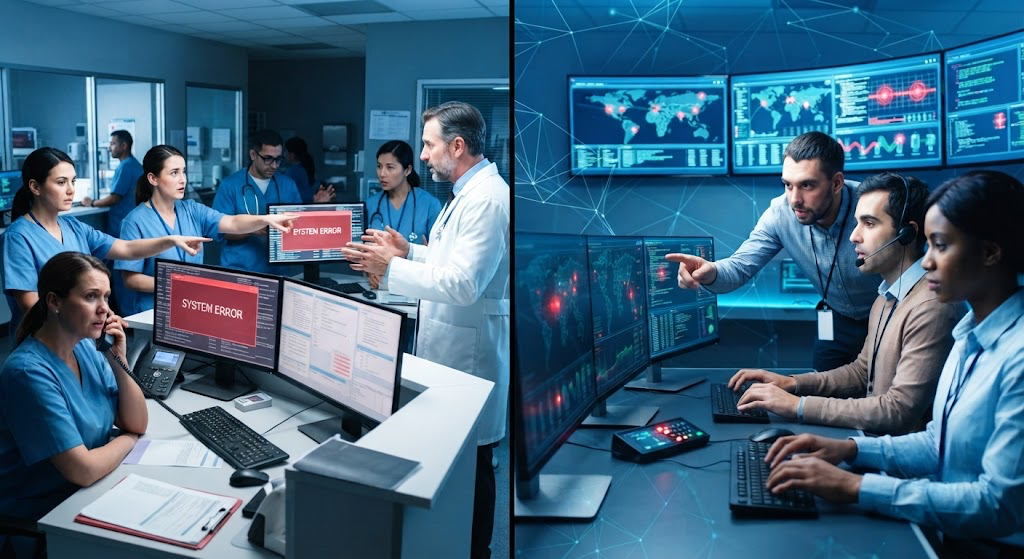
Healthcare is becoming increasingly digital—and increasingly targeted. Explore the evolving cyber threats facing healthcare, the impact of AI on cybercrime, and how AI-driven SOCs can help organisations strengthen security and resilience.
Relevance of AI in Cybersecurity

Discover how AI is transforming cybersecurity through AI-driven SOCs, helping security teams improve threat detection, automate security operations and strengthen 24×7 monitoring.
What is a SOC?

Discover what a Security Operations Center (SOC) is and why Indian SMEs & corporates need 24×7 AI-driven monitoring to prevent ransomware and stay compliant.
How Do Cybercriminals Enter Your Systems?

Cybercriminals can enter business systems through phishing emails, stolen credentials, vulnerable applications, networks, malware, cloud misconfigurations and third-party access. Learn how these attack vectors work and how AI-driven SOC monitoring can help detect threats.
Synology Presents The Data Intelligence Dialogue
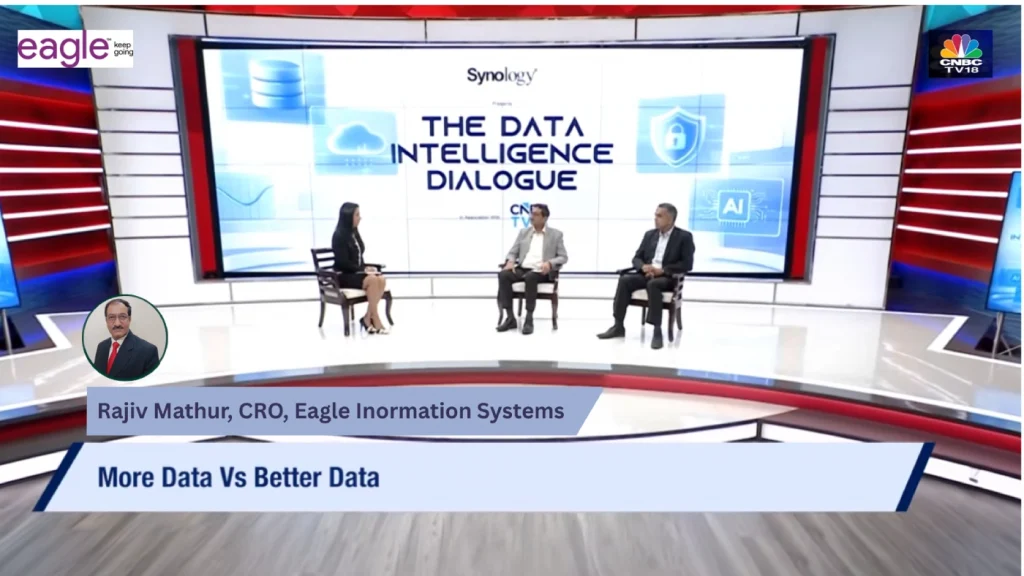
The rapid rise of Artificial Intelligence is reshaping the global data ecosystem, making data readiness, security, governance, and digital sovereignty more critical than ever. As enterprises scale their AI initiatives, the ability to securely manage and control data is becoming a key differentiator. In The Data Intelligence Dialogue, presented by Synology in association with CNBC-TV18, Rajiv Mathur, Chief Revenue Officer, Eagle, shares his perspectives on the evolving data landscape and the challenges organizations face in preparing for an AI-driven future. The AI Data Dilemma: Readiness, Control & the Rise of Digital Sovereignty The discussion explores whether enterprises have the right infrastructure, cybersecurity frameworks, and governance models to support AI at scale. From resilient storage architecture and cybersecurity to sovereign data ecosystems and private AI environments, the conversation highlights the growing need for organizations to take a strategic approach to their data. As AI continues to evolve, its success will depend not only on innovation but also on the strength of the data foundation supporting it. Secure, intelligent, and strategic data management will be at the heart of the AI-powered enterprise. Watch the full conversation with Rajiv Mathur and discover the key insights shaping the future of data intelligence, AI readiness, and digital sovereignty.