
European Supermarket Cyberattack: Why Businesses Need Stronger Cybersecurity

A recent cyberattack targeting supermarket refrigeration systems across Europe has highlighted how cybercriminals can disrupt business operations without directly targeting traditional IT infrastructure. According to a November 2, 2026, report by The Times of India, supermarkets in Belgium, Estonia, Sweden, and Ireland experienced disruptions after attackers reportedly gained unauthorized access to connected refrigeration systems and manipulated their temperature settings. Major retail chains, including Carrefour, Delhaize, ICA, and SuperValu, were reportedly affected. In some locations, refrigerators and freezers reached unusually high temperatures, resulting in spoiled food, inventory losses, and operational disruptions. One affected Delhaize outlet in Belgium reportedly estimated its losses at approximately €100,000. The incident also followed a similar attack on supermarket refrigeration systems in France during October. What makes this incident particularly concerning is that the attackers targeted systems responsible for maintaining everyday business operations rather than focusing solely on customer databases or financial information. It demonstrates how vulnerabilities in connected devices and operational technology can create significant financial and operational consequences. For small and medium-sized enterprises (SMEs), this incident offers an important cybersecurity lesson. As businesses increasingly depend on interconnected devices, cloud platforms, networks, and digital infrastructure, their exposure to cyber threats continues to expand. A compromised system can disrupt operations, damage assets, and affect customer confidence, regardless of the organization’s size. The message is clear: Cybersecurity is no longer limited to protecting business data. It is about protecting the entire technology infrastructure that keeps a business running. How Can Cyberattacks on Connected Devices Disrupt Business Operations? Modern businesses increasingly depend on interconnected technology to manage their daily operations. From servers, networks, and cloud platforms to CCTV cameras, access control systems, smart devices, and industrial equipment, connected technology has become an essential part of business infrastructure. However, increased connectivity also expands the potential attack surface. Devices that were once isolated are now connected to networks for remote monitoring, maintenance and management. If these devices have outdated firmware, weak authentication, exposed remote access, or inadequate security configurations, cybercriminals may exploit these weaknesses to gain unauthorized access. The European supermarket incident demonstrates how a vulnerability in a seemingly ordinary connected device can create significant operational and financial consequences. Consider how a similar cyberattack could affect other industries: Manufacturing: Compromised industrial systems could interrupt production lines and damage equipment. Healthcare: Attacks on connected medical equipment or hospital infrastructure could disrupt essential services. Retail: Compromised inventory, payment, or refrigeration systems could affect sales and customer experience. Logistics: Attacks on connected tracking and warehouse systems could delay deliveries and disrupt supply chains. Hospitality: Compromised access control, surveillance, or building management systems could affect business operations. For SMEs, these risks are particularly important because a single security incident can affect multiple business functions simultaneously. Why Are SMEs Vulnerable to Cyberattacks? Many small and medium-sized enterprises believe cybercriminals primarily target large corporations, banks, and government organizations. However, SMEs can also become attractive targets because they may have limited cybersecurity resources and less comprehensive security monitoring. Unlike large enterprises, SMEs may not have dedicated cybersecurity teams, advanced threat detection technologies, or the resources required to monitor their IT environments continuously. Their internal IT teams often manage multiple responsibilities, leaving limited time for investigating suspicious activities, analyzing security alerts, and responding to emerging threats. Some common cybersecurity weaknesses include: Outdated Systems and Software: Unpatched operating systems, applications, and connected devices can create vulnerabilities that attackers may exploit. Weak Access Controls: Poor password practices, excessive user privileges, and unsecured remote access can expose critical systems. Limited Security Monitoring: Without continuous monitoring, suspicious network activities and unauthorized access attempts may remain undetected. Unsecured Connected Devices: IoT and operational technology devices can become entry points when they are not properly secured or isolated. Delayed Incident Response: Without established incident response procedures, businesses may take longer to identify, investigate, and contain cyber threats. For an SME, the consequences can extend beyond technical disruption. Operational downtime, lost revenue, damaged assets, recovery expenses, and reputational damage can place significant pressure on business continuity. What Lessons Can SMEs Learn from This Cyberattack, and How Can They Prevent Similar Incidents? The European supermarket cyberattacks highlight an important lesson: businesses must protect their entire technology environment, not just their computers, servers, and databases. Traditional security measures alone may not provide sufficient visibility into modern interconnected infrastructure. SMEs need a proactive cybersecurity strategy that combines continuous monitoring, vulnerability management, access controls, and incident response capabilities. Here are six important measures businesses should consider to strengthen their cybersecurity. 1. Implement 24×7 SOC Monitoring Cyberattacks can happen at any time, including nights, weekends, and holidays. Without continuous security monitoring, suspicious activities may remain unnoticed until they cause significant damage. A 24×7 Security Operations Center (SOC) continuously monitors an organization’s IT environment to identify unusual activities, investigate potential threats, and support timely incident response. Through Security Information and Event Management (SIEM) and Security Orchestration, Automation and Response (SOAR) technologies, a SOC can collect and correlate security events, prioritize alerts, and automate appropriate response workflows. Experienced security analysts investigate suspicious activities and coordinate escalation when required. For SMEs without dedicated cybersecurity teams, outsourced 24×7 SOC monitoring provides access to specialized security expertise and continuous monitoring capabilities without the investment required to establish an in-house SOC. 2. Secure IoT and Operational Technology Devices The supermarket incident demonstrates that connected devices can become potential targets when their security is overlooked. Businesses should identify all connected devices across their infrastructure, including CCTV cameras, smart sensors, industrial equipment, refrigeration controllers, and building management systems. They should also implement network segmentation, secure remote access, strong authentication, regular firmware updates, and appropriate access restrictions. Operational technology (OT) systems should be protected through security measures designed around their availability and safety requirements. 3. Conduct Regular Vulnerability Assessments and Penetration Testing Unidentified vulnerabilities can provide attackers with opportunities to compromise business systems. Regular Vulnerability Assessment and Penetration Testing (VAPT) helps organizations identify security weaknesses across networks, applications, and infrastructure. Businesses should prioritize critical vulnerabilities, apply security patches, and review exposed services to reduce their attack surface. 4. Strengthen
What Is the DPDP Act?
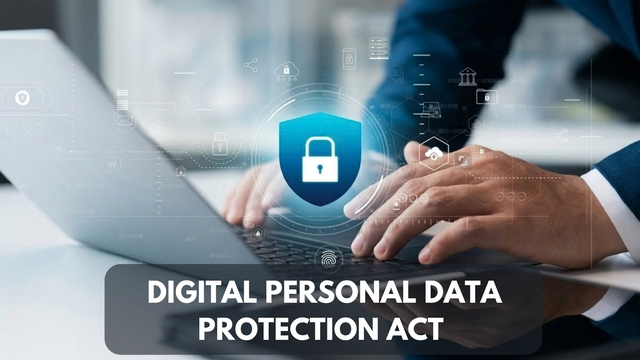
India’s Digital Personal Data Protection Act (DPDP Act) changes how businesses handle customer data. Learn key rights, operational responsibilities, upcoming 2026/2027 deadlines, maximum penalties, and how to build a compliance roadmap.
Cybersecurity in Manufacturing
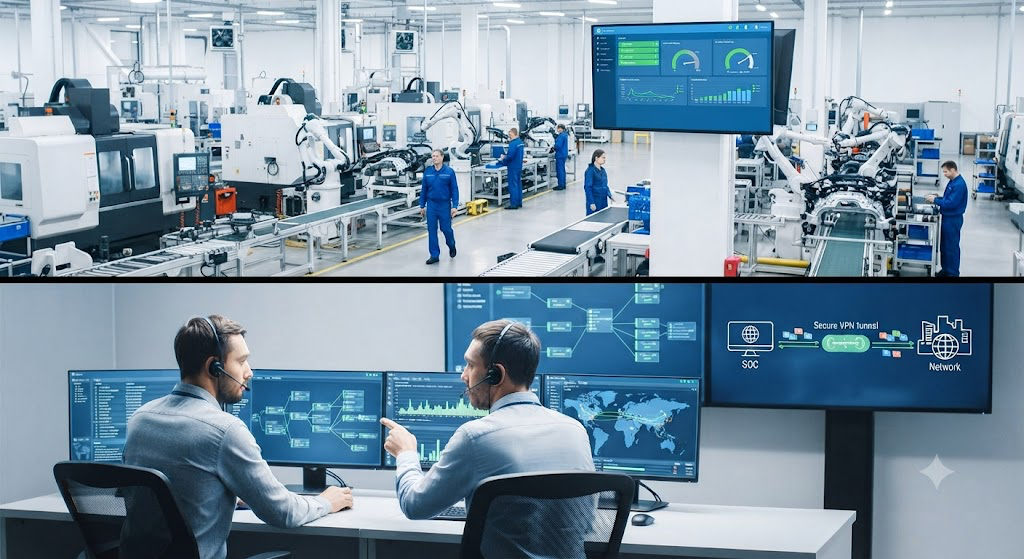
Manufacturing is becoming smarter and more connected—but that connectivity is changing the cyber threat landscape. Discover how AI, Operation Technology security and AI-driven SOCs can help manufacturers protect production, data and business continuity.
Cybersecurity in the Automotive Industry
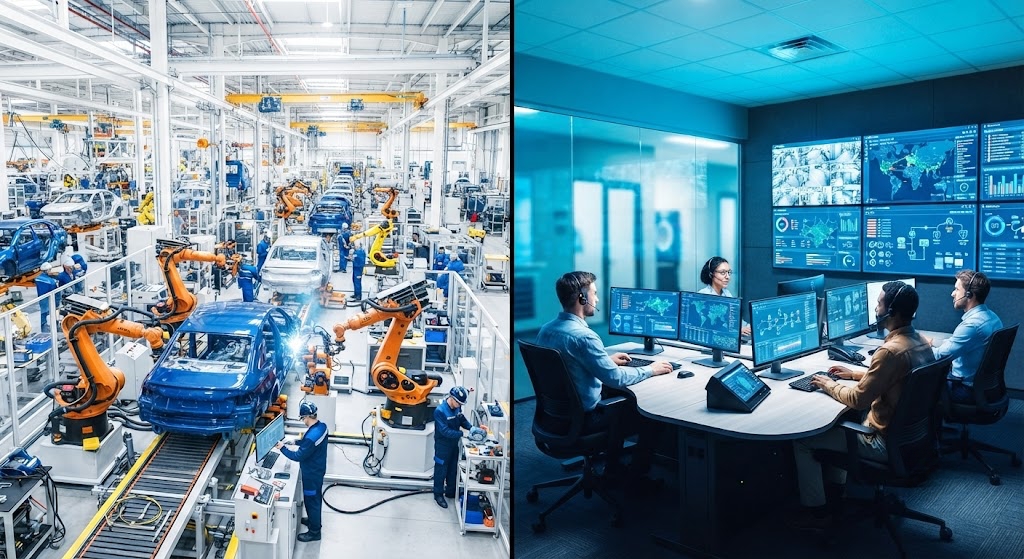
Connected vehicles are transforming the automotive industry—but greater connectivity creates new cybersecurity risks. Explore automotive cyber threats, AI-powered cybercrime, AI-driven SOCs and how organizations can protect their connected vehicle ecosystems.
Cybersecurity in Healthcare
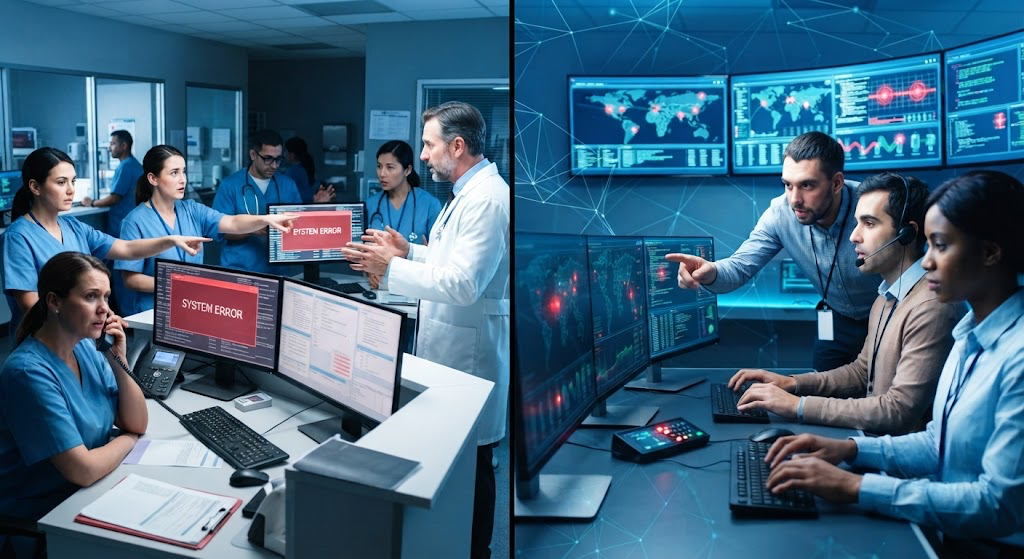
Healthcare is becoming increasingly digital—and increasingly targeted. Explore the evolving cyber threats facing healthcare, the impact of AI on cybercrime, and how AI-driven SOCs can help organisations strengthen security and resilience.
Relevance of AI in Cybersecurity

Discover how AI is transforming cybersecurity through AI-driven SOCs, helping security teams improve threat detection, automate security operations and strengthen 24×7 monitoring.
What is a SOC?
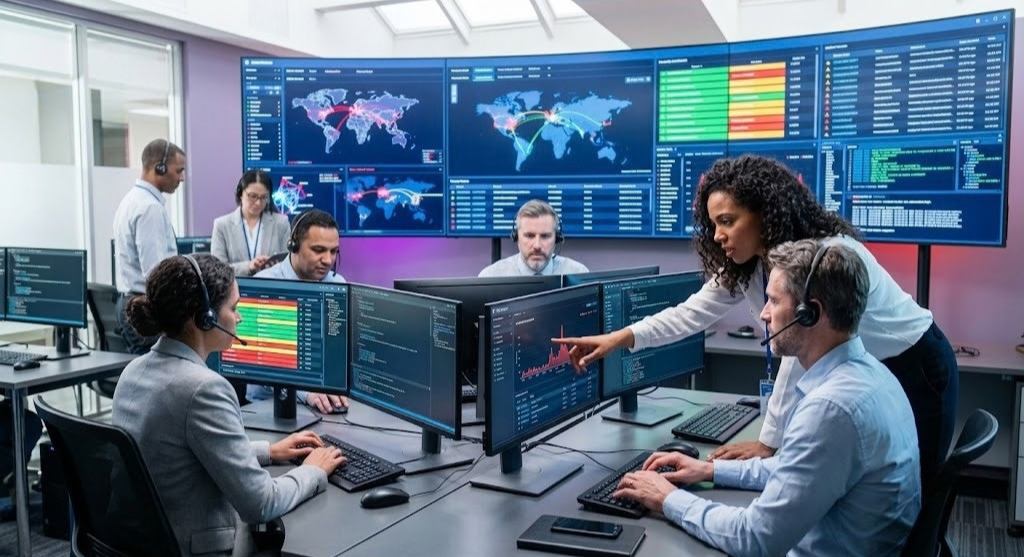
Discover what a Security Operations Center (SOC) is and why Indian SMEs & corporates need 24×7 AI-driven monitoring to prevent ransomware and stay compliant.
How Do Cybercriminals Enter Your Systems?
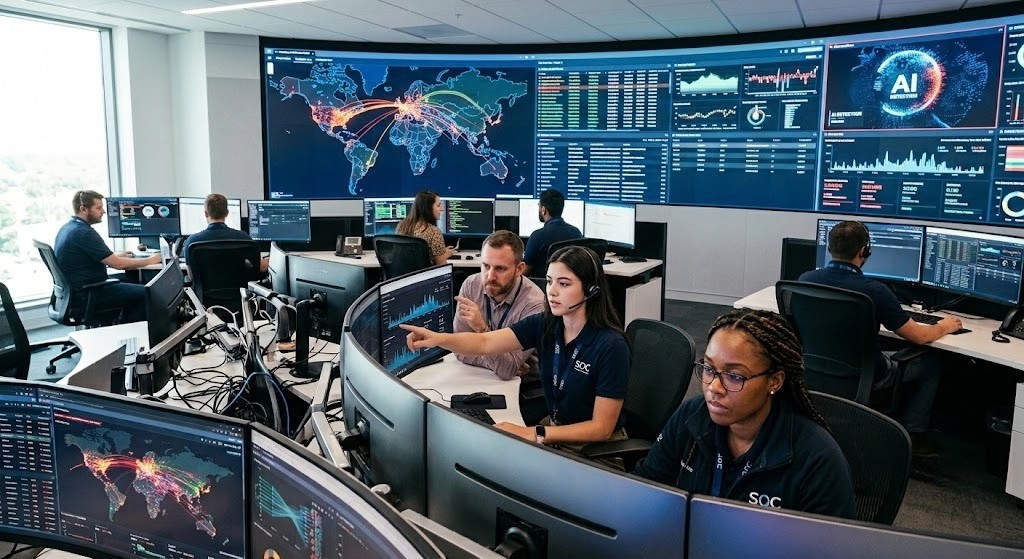
Cybercriminals can enter business systems through phishing emails, stolen credentials, vulnerable applications, networks, malware, cloud misconfigurations and third-party access. Learn how these attack vectors work and how AI-driven SOC monitoring can help detect threats.
What Is Cybersecurity?
Is your business protected from today’s cyber threats? Explore essential cybersecurity strategies, common risks, and how managed services keep your systems safe.
25 Top Cyber Attacks
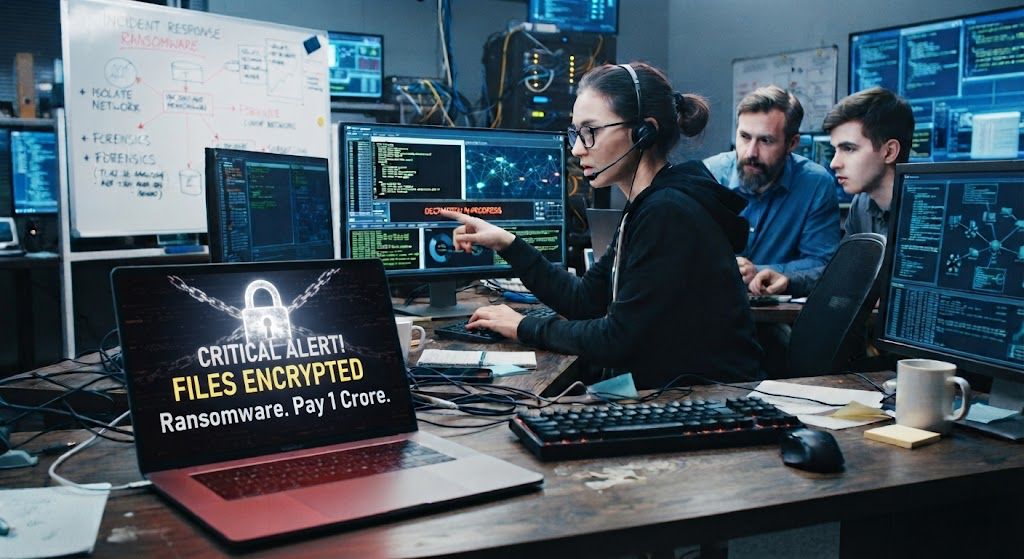
Cyber attacks can target any business, regardless of size. Explore 25 common cyber attacks—from phishing and ransomware to AI deepfakes and cryptojacking—and learn how businesses can reduce their risk.